
Volatility Persists in Financial Markets
Uncertainty rhymes with volatility. This, in a nutshell, describes the current situation in financial markets, where mixed signals from corporate earnings, the persistence of the U.S. government shutdown, and tensions in international trade are making investors cautious.
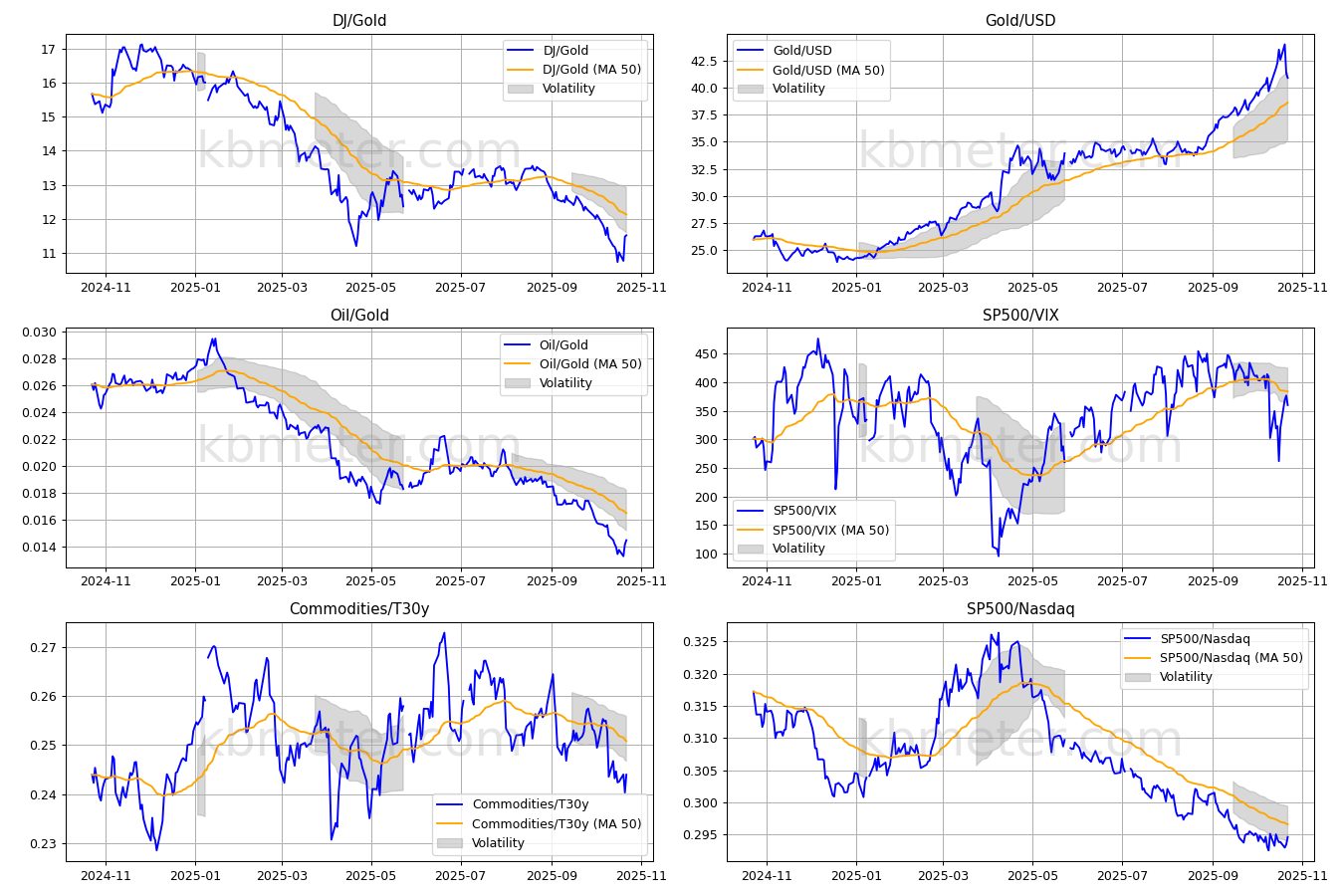
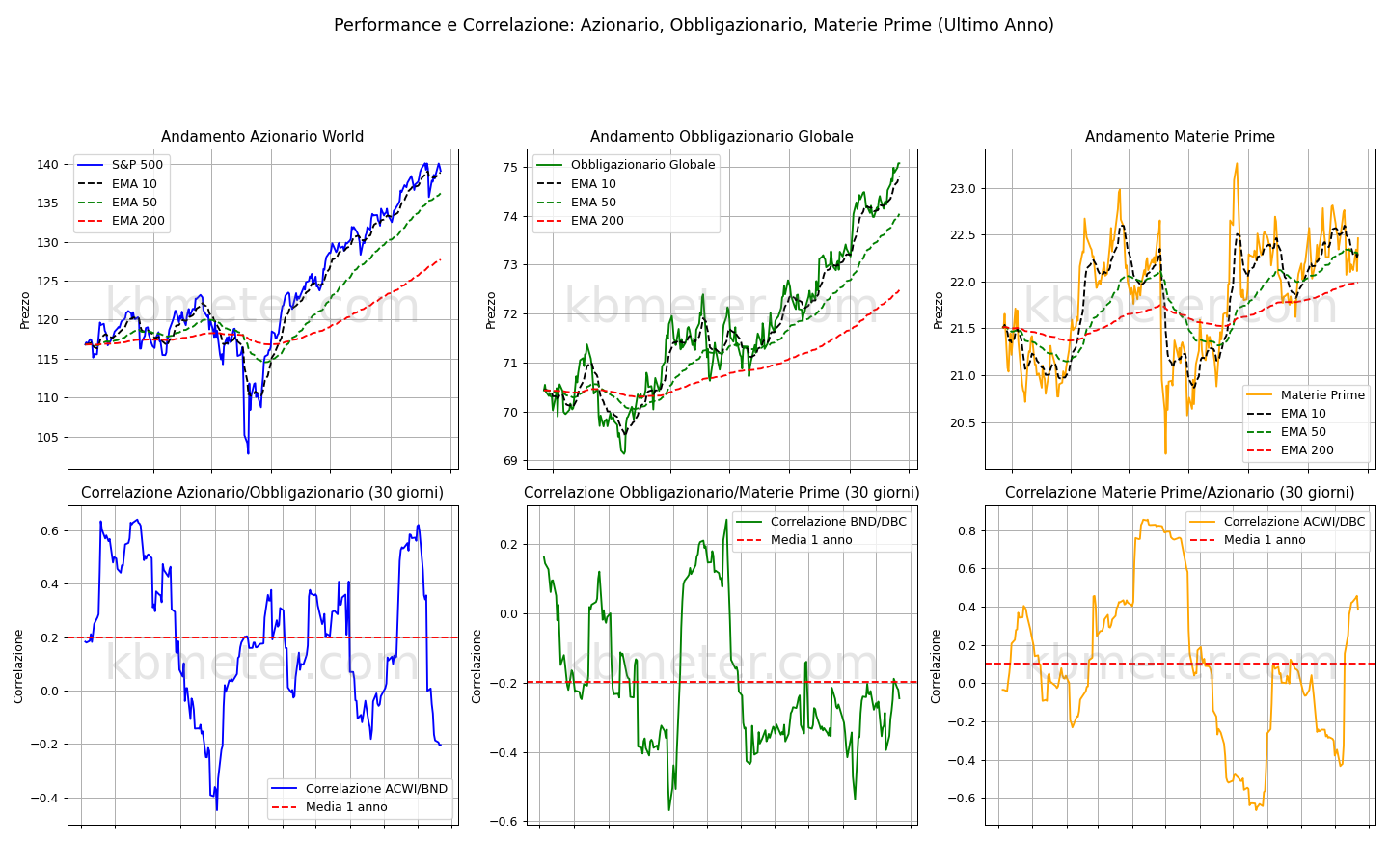
Equities remain uncertain, gold is still in a phase of technical cooling, the dollar is seen recovering, and bonds are expected to strengthen. Our intermarket dashboards record a pullback in gold, although sentiment remains in neutral territory. The ratio between the S&P 500 and the VIX remains below the yearly average, while the S&P 500/Nasdaq ratio is hovering around yearly lows but losing momentum. Fixed income continues to trend upward, while global equities show a more nervous pattern—having recovered the short-term moving average but struggling to gain further traction. Commodities remain in a sideways phase. It is worth noting that the correlation between stocks and bonds has turned negative again.
On the macro front, some data are also coming in from the U.S. Existing home sales and the CFNAI will provide useful indications ahead of the September inflation figure. Today, retail sales data from Canada and consumer confidence figures for the Euro area are also expected.
As for central banks, rate decisions are due in South Korea and Turkey.
Our forward-looking analyses continue to indicate a climate of uncertainty in the markets, particularly for equities. Bonds are expected to rise, and the dollar to recover. As for commodities, signals remain positive for copper, while gold is still awaiting a clear direction (with volatility remaining high). Overall volatility is stable.
Already a subscriber? Login here
NOTES AND WARNINGS
Data compiled by kbmeter.com. Analysis date: 23 October 2025 - 7:24 AM GMT+1
This content is provided for informational purposes only and should not be considered financial advice. All scores and assessments are based on the previous trading day’s closing prices. Futures indications refer to the date and time of the analysis.
