
Volatility Rises in Financial Markets Amid Strong Earnings and Trade War Fears
Will earnings data be enough to offset concerns about a potential trade war between the U.S. and China and the ongoing federal shutdown? In the absence of significant macroeconomic data (U.S. inflation figures, barring surprises, are expected at the end of the month), financial markets are weighing the forces at play. The result, for now, is increased volatility and a continued rush toward gold. Equities are showing signs of recovery, while bonds are on the rise.
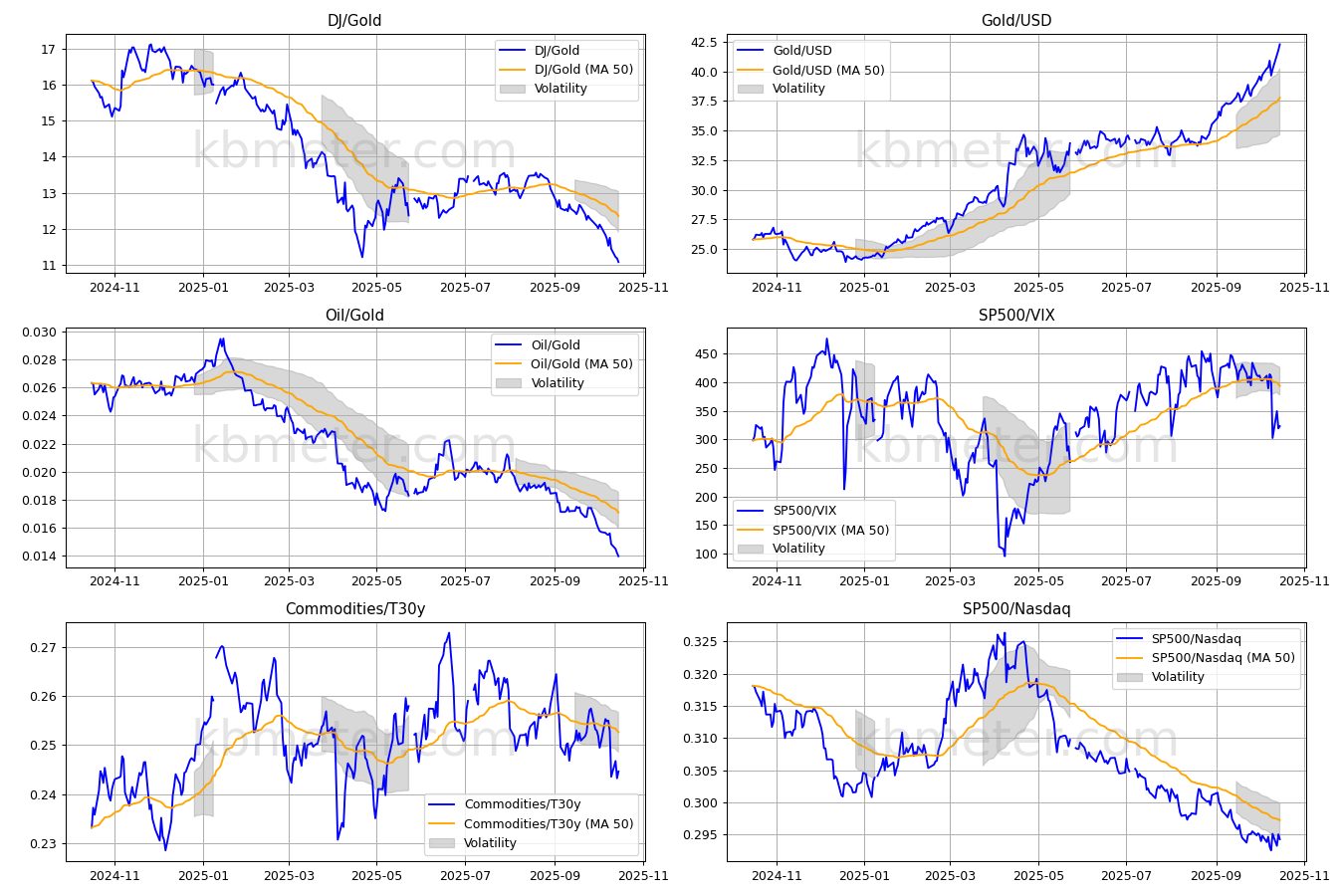
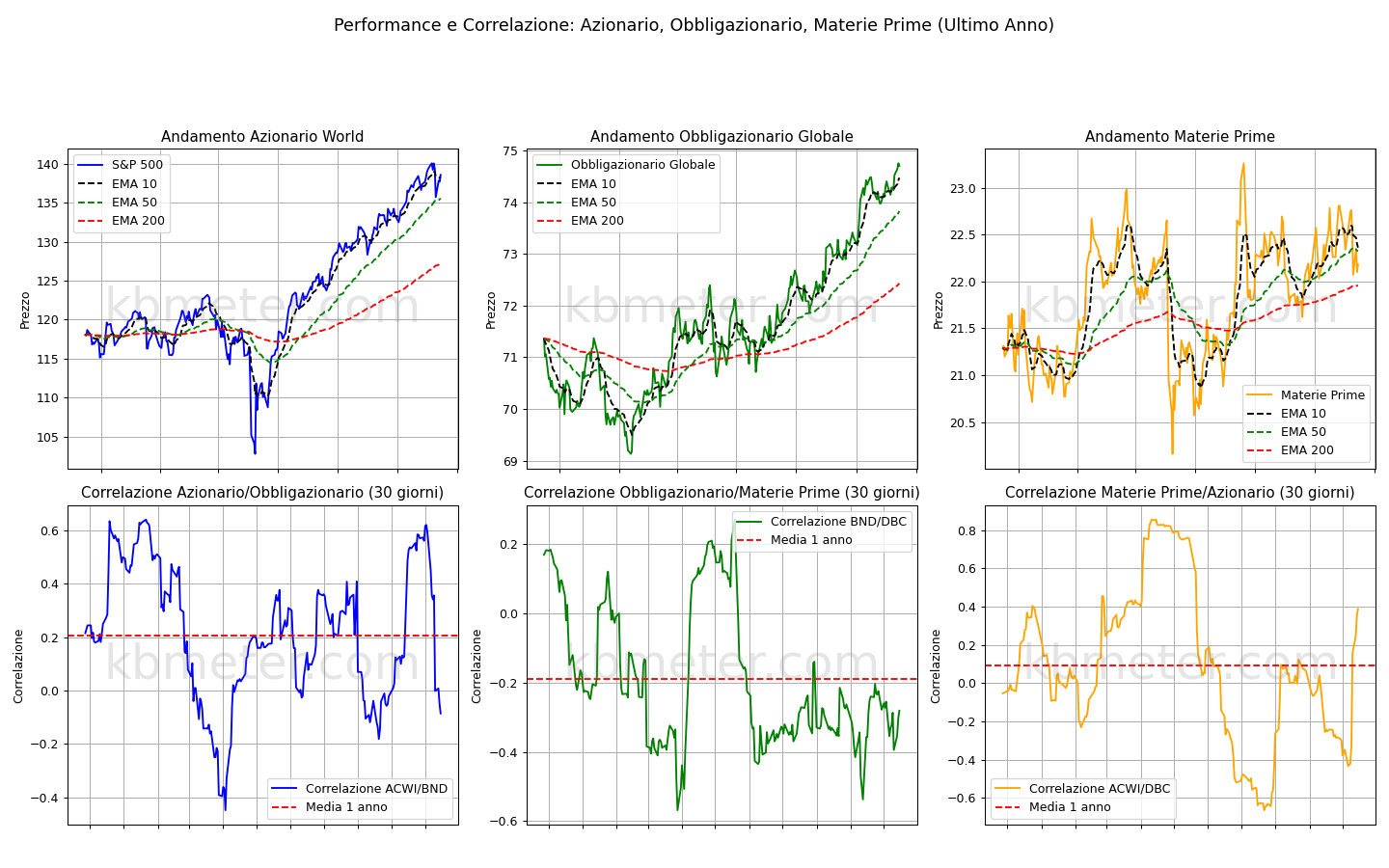
Our intermarket dashboards record a return of global equities above their short-term moving average and confirmation of the renewed upward trend in bonds.
However, the environment surrounding these two movements is different from that of a few weeks ago: volatility is noticeably higher, and market sentiment somewhat more cautious.
On the macro front, today’s focus will be on employment data from Australia, economic performance in the United Kingdom, and international trade figures from the Euro area. From the U.S., October’s Philly Fed numbers are expected.
As for corporate earnings, today’s highlights include Taiwan Semiconductor Manufacturing Company and Charles Schwab.
Our forecast models point to an overall positive day for equities, with somewhat greater uncertainty on the European front. The dollar is also showing positive signals, while precious metals remain in a strongly overbought condition. Corporate bonds continue to post positive indications, and government bond yields are expected to decline. Equity volatility remains high.
Already a subscriber? Login here
NOTES AND WARNINGS
Data compiled by kbmeter.com. Analysis date: 16 October 2025 - 7:11 AM GMT+1
This content is provided for informational purposes only and should not be considered financial advice. All scores and assessments are based on the previous trading day’s closing prices. Futures indications refer to the date and time of the analysis.
